

Porcelain and composite veneers can both change the appearance of teeth. The choice depends on your tooth structure, bite, preferences and willingness to maintain the result. Smile Symphony Dental has prepared this guide to help you compare the options and understand the decisions involved. Sometimes a simpler treatment, or no cosmetic treatment, is the right choice.
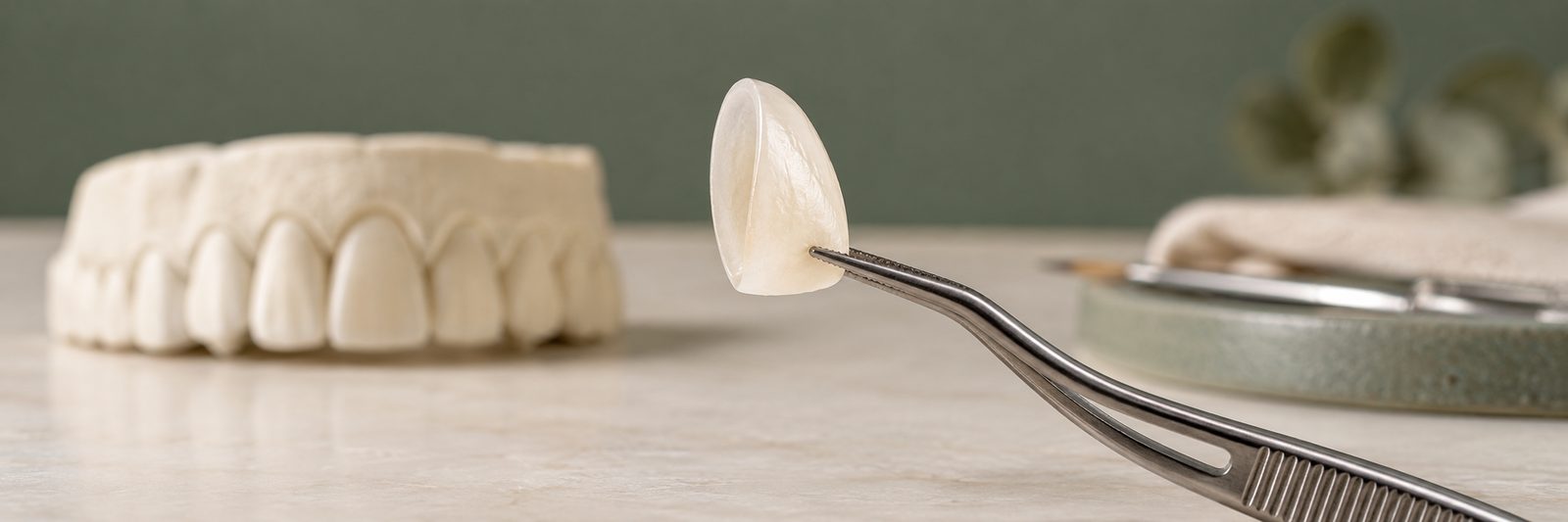
What is a veneer?
A veneer is a thin covering bonded to the front of an existing tooth. It may be considered for selected chips, discolouration, small gaps or changes to tooth shape. It is different from a crown, which covers much more of the tooth.
- Porcelain veneers are custom-made ceramic shells, usually produced by a dental laboratory and then bonded to your teeth.
- Direct composite veneers use tooth-coloured resin that your dentist adds, shapes, hardens with a curing light and polishes on the tooth.
This guide compares laboratory-made porcelain veneers with direct composite veneers. Composite bonding can also mean a smaller repair to one edge or chip, without covering the whole front surface.
Think about your natural tooth first
Preparation varies. If enamel is removed, that change is permanent. Even a conservative approach needs careful planning, and neither material should be assumed to be completely reversible. Ask Smile Symphony Dental what would happen to your own teeth and what future treatment may be needed.
The differences at a glance
The comparison below describes general differences. The amount of treatment you need and the way your teeth meet can matter as much as the material.
General comparison, not a personal recommendation or price quote. Neither option is maintenance-free or guaranteed to last a particular time.
| What matters | Porcelain veneers | Direct composite veneers |
|---|---|---|
| How they are made | Custom ceramic shells made in a laboratory. | Resin shaped directly on the teeth by the dentist. |
| Appointments | Usually at least two, with time for laboratory manufacture. | Often one treatment visit; several teeth or adjustments may need more. |
| Tooth preparation | Usually involves some enamel removal; the amount varies. | May require little or no reshaping, depending on the tooth and plan. |
| Appearance over time | Generally more resistant to staining and surface wear. | More prone to staining and wear; may need polishing or repair sooner. |
| Repair | A small defect may be repairable; some damage needs a new veneer. | Often easier to add to, reshape or repair directly. |
| Initial cost | Usually higher, including laboratory manufacture. | Usually lower, although the number of teeth and complexity matter. |
| Long-term care | Cleaning, reviews and possible repair or replacement. | Cleaning, reviews and possible polishing, repair or replacement. |
When might each be considered?
Porcelain may be considered when maintaining colour and surface finish is a priority and the proposed preparation is appropriate for your teeth. Composite may be considered for more modest changes, when adding material conservatively is feasible, or when ease of repair and the initial budget are priorities.
Veneers do not suit every mouth
Decay and gum disease need attention first. Grinding, clenching or a deep bite can affect suitability. Your dentist also needs to consider the existing tooth structure and the changes you want. A veneer cannot be expected to solve every dental problem.
Ask about simpler alternatives
For a small chip, a local composite repair may be enough. If colour is the main concern, whitening may be suitable. Ask whether orthodontic treatment would better address tooth position, and whether monitoring your teeth without cosmetic treatment is reasonable. Smile Symphony Dental can explain the alternatives and their trade-offs.
A plan tailored to your teeth
At Smile Symphony Dental, the starting point is a conversation about what you would like to change, followed by an assessment of your teeth, gums and bite. Your dentist can explain the suitable choices, proposed preparation, risks, likely appointments and expected cost before you decide.
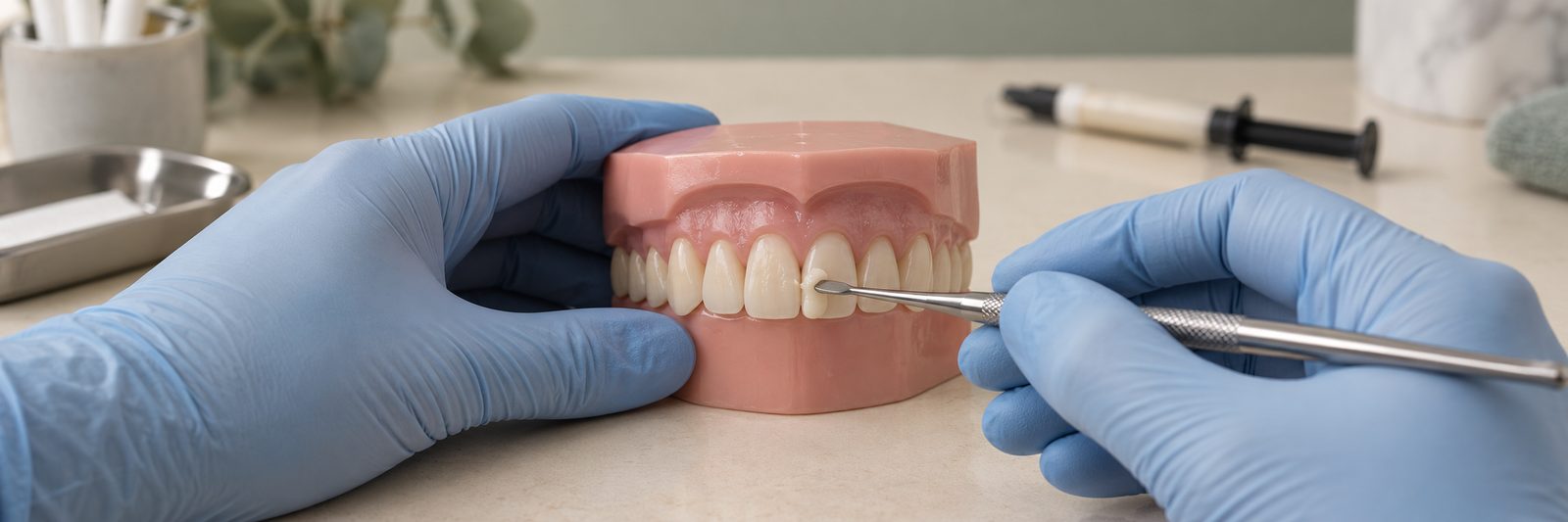
Porcelain: custom manufacture and fitting
After any agreed preparation, a scan or impression records the teeth for the laboratory. A temporary covering may be needed while the veneers are made. At the fitting appointment, the dentist checks the fit, colour and shape before bonding them in place. The bite is checked and adjusted as needed.
Composite: shaping the material on your tooth
The tooth surface is prepared for bonding. Your dentist adds composite resin, shapes it and hardens it with a curing light, then finishes and polishes the surface. The bite also needs checking. Treatment time depends on the number of teeth and the changes planned.
Comfort and recovery
Local anaesthetic may be used, depending on the preparation required. Afterwards, teeth may feel sensitive and gums or the jaw may feel sore. Settling-in time varies. Follow your dentist’s aftercare advice and contact the clinic if discomfort persists or your bite feels wrong.
Our approach to laboratories and materials
Smile Symphony Dental places a strong emphasis on the quality of laboratory work and restorative materials. We work with carefully selected dental laboratories and use high-quality restorative materials, chosen for their suitability for your teeth and the proposed treatment.
For porcelain veneers, the laboratory needs clear information about the intended shape, shade and fit. For composite veneers, material selection and careful shaping and finishing are important parts of the work. Ask Smile Symphony Dental which material is proposed and why. Material choice alone does not guarantee a particular appearance or lifespan.
Your preferences guide the details
Smile Symphony Dental provides a professional recommendation and explains the reasons behind it. You decide whether to proceed and choose the details that matter to you from the clinically suitable options. We discuss your preferences together, including what is achievable and where the limits are.
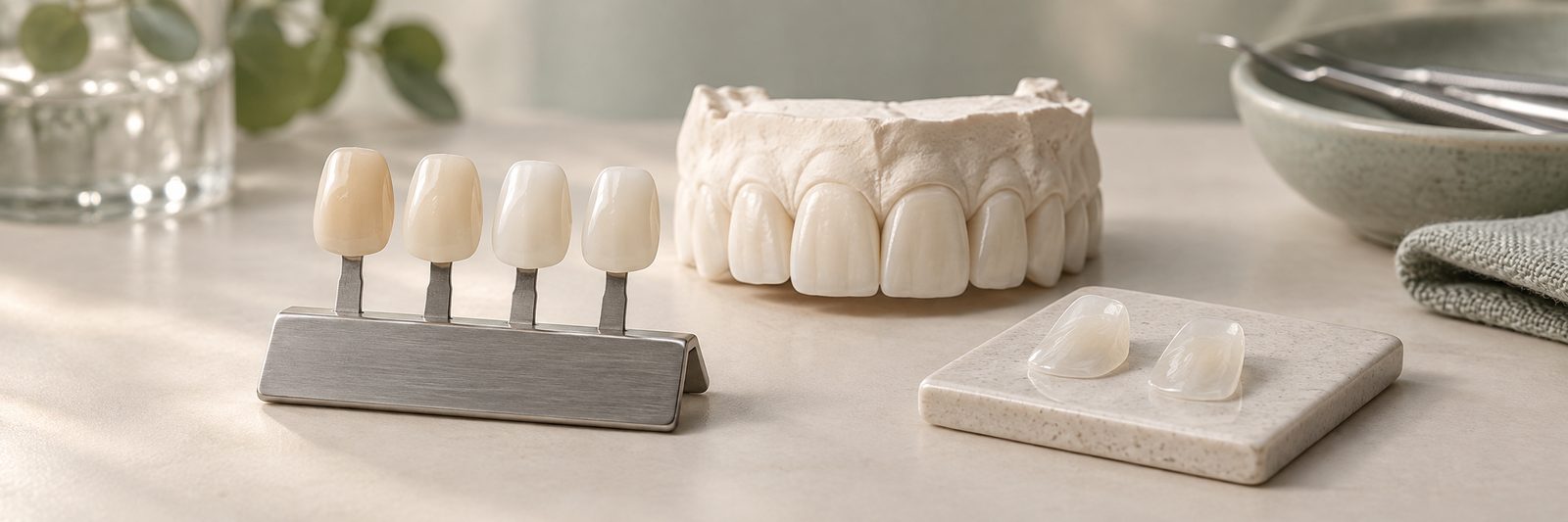
What can you help choose?
- Colour: discuss how the shade should relate to your other teeth and the overall appearance you prefer.
- Shape and edges: discuss whether you prefer softer or more defined contours and which existing features you want to keep.
- Length and proportions: explain your preferences, while your dentist checks what is compatible with your bite and oral health.
- Extent of treatment: ask which teeth, if any, need treatment and whether a smaller change could meet your goals.
Clinical advice remains part of the choice
Your dentist remains responsible for recommending and providing appropriate care. If a requested detail would compromise your teeth, gums or bite, Smile Symphony Dental will explain the concern and discuss suitable alternatives. You can decide not to proceed. Agreeing to veneers does not mean agreeing to every possible design choice.
Review the plan before committing
Bring questions or reference pictures to describe your preferences. Ask whether a model, mock-up or other preview would help in your case. Any preview is a planning aid; it cannot guarantee an identical final appearance.
For porcelain veneers, discuss any concerns about the proposed colour or shape before final bonding. Some changes may require additional laboratory work or a remake, so ask about appointments and costs before proceeding.
You can request more explanation, take time to consider the plan, bring a support person or seek another opinion. Informed consent is a discussion that helps you understand benefits, risks, alternatives and costs.
What should you know about the risks?
Both materials can chip, crack or come loose. Sensitivity can occur, particularly after tooth preparation. The natural tooth can still develop decay, and the appearance may change over time. Repairs, rebonding or replacement can mean further treatment and cost. Smile Symphony Dental can explain the risks relevant to your proposed care.
How long will veneers last?
Both can remain useful for years, but there is no fixed expiry date or lifetime guarantee. Porcelain generally resists staining and wear better; composite may need maintenance sooner and is often easier to repair. The condition of the teeth, bite forces, habits and daily care affect how either performs.
Looking after your veneers
Brush twice daily with fluoride toothpaste and clean between your teeth every day. Attend reviews at the interval your dentist recommends. Avoid biting pens, nails or other hard objects, and do not use your teeth to open packaging. Ask about protection if you grind or clench.
Contact Smile Symphony Dental if a veneer feels loose, has a sharp edge, or your bite feels uncomfortable. Persistent sensitivity, pain or gum bleeding also needs assessment.
Can I whiten them later?
Whitening does not lighten porcelain or composite in the way it lightens natural teeth. If you are considering whitening your other teeth, discuss the timing before selecting the veneer shade. Otherwise, the colours may no longer match.
Compare the complete cost
Ask Smile Symphony Dental for a written estimate covering the planned teeth, preparation, laboratory work where relevant, fitting and follow-up. Ask about possible extra work and future maintenance costs. The lower initial price may not tell you the whole cost over time.
The next step is an individual assessment and a conversation about your priorities. Smile Symphony Dental can help you weigh the suitable options so that you can make an informed decision.
General patient information, not a personal treatment recommendation or a substitute for examination and informed consent. Suitability, tooth preparation, appearance, maintenance and longevity vary. Images are AI-generated educational illustrations, not treatment results.
Sources and further reading: Australian Dental Association: Crowns, bridges and veneers, Teeth whitening · American Dental Association: Veneers · Cleveland Clinic: Dental veneers, Composite bonding · Oral Health Foundation: Veneers · Safety and Quality Commission: Informed consent, Decisions about your care, Your healthcare rights · American College of Prosthodontists: Dental veneers FAQs.
Sources accessed 13 September 2026. Discuss your own circumstances with your dentist.